Introduction
The concept of a digital lifestyle has evolved from a futuristic idea into an everyday reality. From the moment we wake up and check our smartphones to how we work remotely, shop online, manage health, and stay connected with loved ones, digital technology is deeply integrated into modern life. A digital lifestyle is not just about using devices—it reflects how technology influences habits, productivity, relationships, and personal well-being.
As internet access, smart devices, and cloud-based services continue to expand globally, understanding the digital lifestyle becomes essential. This article explores what a digital lifestyle truly means, its core components, benefits, challenges, and how individuals can adopt it responsibly in a fast-changing digital world.
What Is a Digital Lifestyle?
A digital lifestyle refers to a way of living where digital tools, platforms, and technologies play a central role in daily activities. It encompasses how people:
- Communicate and socialize
- Work and learn
- Shop and manage finances
- Consume entertainment and information
- Monitor health and wellness
Rather than being limited to technology enthusiasts, a digital lifestyle is now common across age groups and professions due to widespread smartphone adoption, affordable internet, and cloud-based services.
Key Components of a Digital Lifestyle
Digital Communication and Connectivity
Modern communication is instant, global, and largely digital. Messaging apps, video calls, and social platforms have transformed how people interact.
Key elements include:
- Instant messaging and video conferencing
- Social media platforms
- Email and collaborative tools
- Cloud-based file sharing
These tools enable real-time collaboration, remote relationships, and global networking, making distance less of a barrier than ever before.
Remote Work and Digital Careers
One of the most impactful shifts in digital lifestyle adoption is the rise of remote work and location-independent careers. Cloud computing, project management tools, and virtual meeting platforms allow professionals to work from anywhere.
Benefits of digital work environments:
- Flexible schedules
- Reduced commuting time
- Global job opportunities
- Improved work-life balance
Industries such as IT, marketing, design, education, and customer support have seen significant digital transformation
Online Learning and Digital Education
Education has undergone a major transformation with the growth of digital platforms. Online courses, virtual classrooms, and educational apps make learning accessible beyond traditional institutions.
Popular aspects of digital education:
- E-learning platforms
- Skill-based online certifications
- Self-paced learning models
- Virtual collaboration with instructors
This shift supports lifelong learning and skill development, which is essential in a technology-driven economy.
Smart Devices and Connected Living
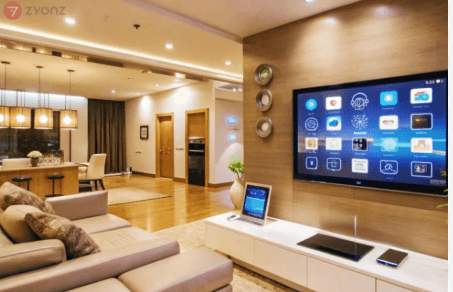
Smart technology is a defining feature of the digital lifestyle. Devices are increasingly interconnected, enabling automation and real-time control.
Examples include:
- Smartphones and tablets
- Smart home devices (lights, thermostats, security systems)
- Wearable technology (fitness trackers, smartwatches)
- Voice assistants
These tools enhance convenience, energy efficiency, and personal productivity when used effectively.
Digital Entertainment and Content Consumption
Entertainment has become highly personalized and on-demand. Streaming services, digital gaming, podcasts, and online media platforms dominate leisure time.
Digital entertainment trends include:
- Video streaming platforms
- Music and podcast apps
- Online gaming communities
- Digital content creation
Algorithms personalize content, improving user experience while also influencing consumption habits.
Digital Health and Wellness
Healthcare is increasingly supported by digital tools that help individuals monitor and manage their well-being.
Common digital health solutions:
- Fitness and wellness apps
- Telemedicine services
- Online mental health platforms
- Health data tracking via wearables
These technologies improve access to healthcare information and promote preventive care when used responsibly.
Benefits of a Digital Lifestyle
Increased Convenience and Efficiency
Digital tools streamline everyday tasks such as banking, shopping, scheduling, and communication. Automation and cloud access save time and reduce manual effort.
Greater Access to Information
Search engines, online libraries, and educational platforms provide instant access to reliable information, empowering individuals to make informed decisions.
Flexibility and Personalization
Digital platforms adapt to individual preferences, offering customized experiences in entertainment, learning, and productivity.
Economic Opportunities
The digital economy supports entrepreneurship, freelancing, and global collaboration, enabling income generation beyond traditional employment models.
Challenges of Living a Digital Lifestyle
Digital Overload and Screen Fatigue
Excessive screen time can lead to reduced focus, eye strain, and mental fatigue. Managing digital consumption is essential for long-term well-being.
Privacy and Data Security Risks
Sharing personal data online increases exposure to privacy breaches and cyber threats. Secure passwords, awareness, and responsible data practices are critical
Social Disconnect
While digital communication connects people globally, over-reliance on virtual interactions may reduce face-to-face social engagement if not balanced properly.
Digital Divide
Access to high-speed internet and digital literacy remains uneven across regions, limiting the benefits of a digital lifestyle for some populations.
How to Build a Healthy Digital Lifestyle
Practice Digital Balance
- Set screen time limits
- Take regular breaks from devices
- Prioritize offline activities
Improve Digital Literacy
Understanding how digital tools work enhances security, productivity, and informed decision-making.
Use Technology Intentionally
Choose tools that genuinely improve quality of life rather than adopting technology for its own sake.
Protect Privacy and Security
- Use strong, unique passwords
- Enable two-factor authentication
- Stay informed about online safety
The Future of Digital Lifestyle
The digital lifestyle will continue to evolve as technologies such as artificial intelligence, augmented reality, and smart infrastructure mature. Future trends point toward more immersive experiences, smarter automation, and deeper integration between physical and digital environments.
However, sustainability, ethics, and human-centered design will play a crucial role in shaping how digital lifestyles develop responsibly.
Conclusion
A digital lifestyle is no longer optional—it is a defining aspect of modern living. When embraced thoughtfully, it offers convenience, flexibility, and opportunity. However, long-term benefits depend on balance, awareness, and responsible technology use. By understanding its components, advantages, and challenges, individuals can shape a digital lifestyle that enhances both productivity and well-being in an increasingly connected world.
Frequently Asked Questions (FAQs)
1. What does digital lifestyle mean?
A digital lifestyle refers to a way of living where digital technology is integrated into daily activities such as communication, work, learning, and entertainment.
2. Is a digital lifestyle good or bad?
It can be highly beneficial when balanced properly, offering convenience and flexibility, but excessive or unmanaged use may cause health and privacy concerns.
3. How does a digital lifestyle affect mental health?
Digital tools can support mental health through access to resources, but overuse may lead to stress or fatigue without proper boundaries.
4. Can anyone adopt a digital lifestyle?
Yes, with access to internet and basic digital skills, people of all ages can adopt elements of a digital lifestyle.
5. How can I maintain balance in a digital lifestyle?
Set screen limits, prioritize offline activities, protect privacy, and use technology with clear purpose.