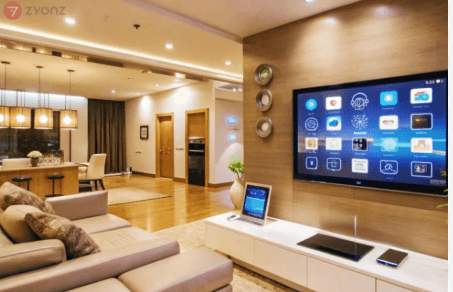
Introduction
Smart home technology is no longer a futuristic concept reserved for luxury homes or tech enthusiasts. It has become a practical, accessible solution for homeowners and renters seeking greater convenience, efficiency, security, and control over their living spaces. From voice-activated lights to intelligent security systems and energy-saving thermostats, smart home devices are reshaping how people interact with their homes.
As internet connectivity, artificial intelligence, and the Internet of Things (IoT) continue to advance, smart home ecosystems are becoming more reliable, affordable, and user-friendly. This article explores what smart home technology is, how it works, its core components, benefits, challenges, and what the future holds for connected living.
What Is Smart Home Technology?
Smart home technology refers to a network of internet-connected devices that automate, monitor, and control household systems remotely or automatically. These systems communicate with each other through Wi-Fi, Bluetooth, Zigbee, or similar protocols and are typically managed through smartphone apps or voice assistants.
Smart homes allow users to control:
- Lighting and climate
- Home security and access
- Appliances and energy usage
- Entertainment systems
- Health and safety features
The goal is to improve comfort, efficiency, and safety while reducing manual effort.
How Smart Home Technology Works
Internet of Things (IoT) Foundation
Smart home devices are part of the Internet of Things, meaning they collect and exchange data over the internet. Sensors, software, and connectivity enable devices to respond to user behavior and environmental changes.
Central Control Systems
Most smart homes rely on a central control method, such as:
- Mobile applications
- Smart home hubs
- Voice assistants like Amazon Alexa, Google Assistant, or Apple Siri
These platforms allow users to manage multiple devices from a single interface.
Automation and Smart Rules
Automation enables devices to act without manual input. For example:
- Lights turn off when no movement is detected
- Thermostats adjust based on occupancy
- Security systems activate automatically at night
Core Components of Smart Home Technology
Smart Lighting Systems
Smart lighting is often the entry point into home automation. These systems allow users to control brightness, color, and scheduling.
Key benefits include:
- Energy efficiency
- Remote control
- Motion-based automation
- Custom lighting scenes
Smart Thermostats and Climate Control
Smart thermostats learn user preferences and optimize heating and cooling for comfort and energy savings.
Common features:
- Learning algorithms
- Remote temperature control
- Energy usage reports
- Integration with weather data
These systems can significantly reduce energy consumption when used properly.
Smart Home Security Solutions
Security is one of the most important applications of smart home technology.
Popular smart security devices:
- Smart door locks
- Video doorbells
- Surveillance cameras
- Motion and entry sensors
These tools provide real-time alerts, remote monitoring, and improved home safety.
Smart Appliances
Modern appliances now come with intelligent features that improve efficiency and convenience.
Examples include:
- Smart refrigerators with inventory tracking
- Smart washing machines with remote start
- Smart ovens with app-based controls
These appliances help streamline daily household tasks.
Voice Assistants and Smart Speakers
Voice-controlled assistants act as the command center for many smart homes.
They enable users to:
- Control devices hands-free
- Set reminders and schedules
- Access information instantly
- Integrate multiple smart platforms
Benefits of Smart Home Technology
Convenience and Automation
Smart homes reduce repetitive tasks and simplify daily routines. Automated systems respond instantly to user needs, improving overall comfort.
Energy Efficiency and Cost Savings
Energy-efficient smart devices help reduce utility bills by optimizing usage patterns and minimizing waste.
Benefits include:
- Lower electricity consumption
- Smart scheduling
- Real-time energy monitoring
Enhanced Home Security
Remote access and real-time alerts provide peace of mind whether users are at home or away.
Improved Accessibility
Smart home technology supports accessibility for elderly users and people with disabilities through voice control and automation.
Personalized Living Experience
Smart systems adapt to user habits, creating a customized living environment based on preferences and routines.
Challenges and Limitations
Privacy and Data Security
Smart devices collect user data, raising concerns about privacy and data protection. Secure networks and strong passwords are essential.
Compatibility Issues
Not all smart devices work seamlessly together, especially when using different ecosystems or communication standards.
Internet Dependency
Most smart home systems rely heavily on internet connectivity. Network outages can limit functionality
Initial Costs
While prices have decreased, initial setup costs for smart home technology can still be a barrier for some users.
How to Build a Smart Home System
Start Small and Scale Gradually
Begin with essential devices such as smart lights or thermostats, then expand based on needs and budget.
Choose a Compatible Ecosystem
Select devices that work well together within a single platform to avoid integration problems.
Focus on Security
- Use strong Wi-Fi passwords
- Enable encryption
- Update device firmware regularly
Use Automation Wisely
Automation should simplify life, not complicate it. Set rules that reflect real daily habits.
Smart Home Technology and Sustainability
Smart homes play a growing role in sustainable living by reducing energy waste and supporting eco-friendly habits.
Sustainable benefits include:
- Efficient energy management
- Reduced carbon footprint
- Smart water usage systems
These features align with global efforts toward environmental responsibility.
The Future of Smart Home Technology
The future of smart home technology lies in deeper integration with artificial intelligence and machine learning. Homes will become more predictive, adapting automatically to user behavior and environmental conditions.
Emerging trends include:
- AI-driven automation
- Improved interoperability standards
- Smart cities integration
- Advanced health monitoring systems
As technology advances, smart homes will become more intuitive, secure, and energy-efficient.
Conclusion
Smart home technology is transforming modern living by making homes more efficient, secure, and responsive to human needs. While challenges such as privacy and compatibility exist, thoughtful implementation and responsible use can unlock significant benefits. As innovation continues, smart homes will play an increasingly important role in shaping comfortable, sustainable, and connected lifestyles.
Frequently Asked Questions (FAQs)
1. What is smart home technology?
Smart home technology uses internet-connected devices to automate and control household systems like lighting, security, and climate.
2. Are smart homes energy efficient?
Yes, smart thermostats, lighting, and energy monitoring systems help reduce unnecessary energy usage.
3. Is smart home technology secure?
It can be secure when devices are properly configured, updated, and protected with strong network security.
4. Can smart home devices work without internet?
Some basic functions may work locally, but most features require an active internet connection.
5. Is smart home technology expensive?
Costs vary. Entry-level devices are affordable, while advanced systems require higher investment.